
Straight women are obsessed with ‘Heated Rivalry.’ Here’s why.
Ellen Lamontagne
03.18.2026
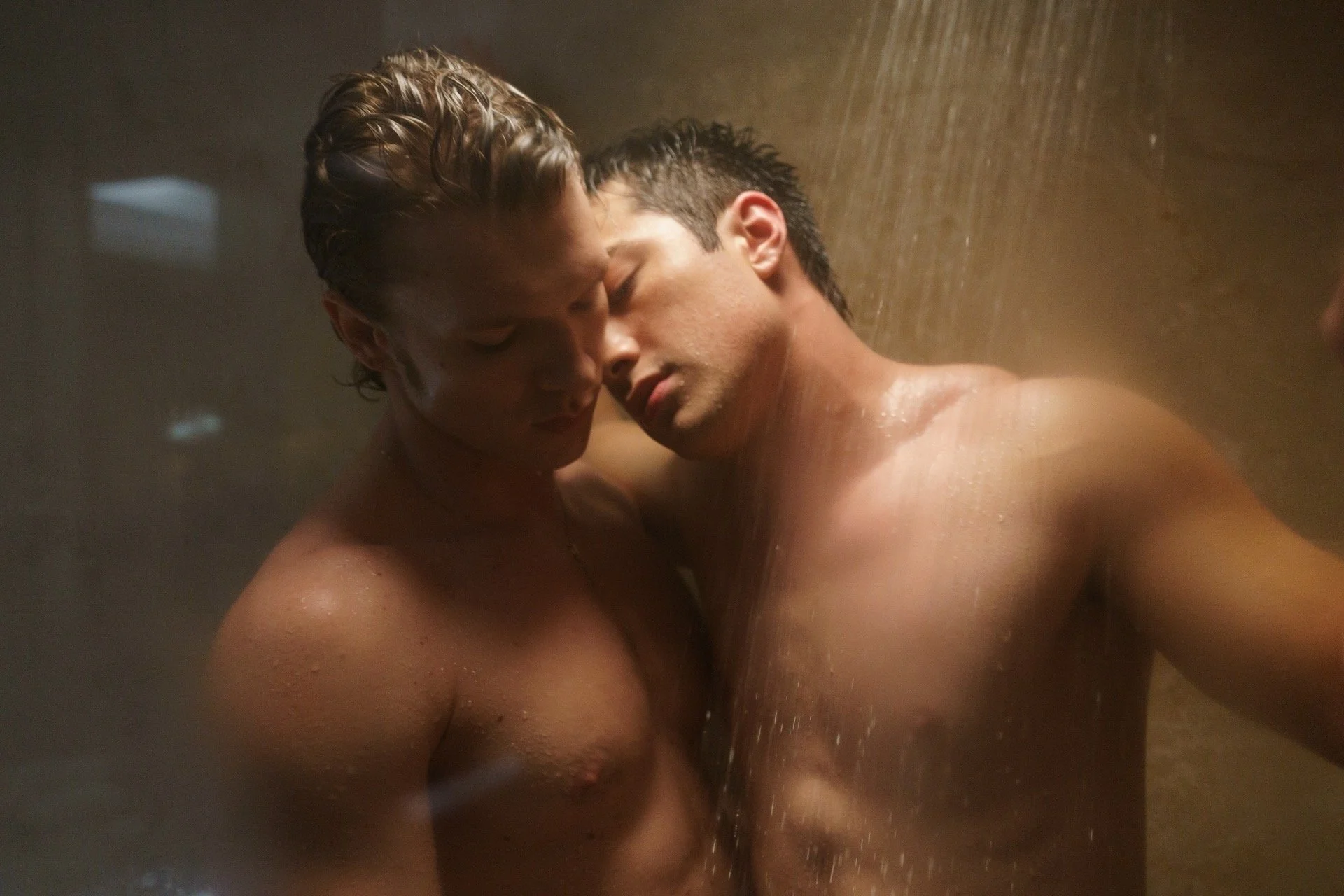
Credit: Warner Bros. Discovery
Less than 12 hours after tickets dropped, Club90’s’ “Heated Rivalrave” event was sold out by eager fans. On Jan. 31 at The House of Blues in Boston, fans jumped, danced and sang along to clips of fictional characters Shane Hollander and Ilya Rosanov on massive screens behind the DJ booth bumping remixes of the hit show’s soundtrack.
The Heated Rivalrave event popped up at clubs around the country and is based off of the hot, gay hockey romance show “Heated Rivalry,” which was released in early December 2025 from Canadian public network Crave. The show became immediately beloved by audiences, and morphed into social media’s hottest commodity.
The six episode phenomenon follows two professional hockey players, Hollander and Rozanov, on rival teams as they navigate a secret romantic relationship over the course of 10 years. The show, an adaptation of Rachel Reid’s novel of the same name, gained public attention due to its intriguing story line and steamy, explicit romance scenes.
Despite being a show being set in a fictionalized version of the hyper-masculine National Hockey League, “Heated Rivalry” attracts a primarily female viewership and fanbase — and while it’s not the only one to do so, it is likely the most popular television queer romance to date. Stars Hudson Williams (Shane Hollander) and Connor Storie (Ilya Rozanov) are undeniably attractive, but their sex appeal is not the only driver of the show’s success: “Heated Rivalry” has captured women’s attention by veering away from the inequitable power dynamics that most fictional (and real) heterosexual romances present.
American feminist and queer studies scholar Jane Ward argues that difference is at the root of straight romance. According to Ward, heterosexual relationships stem from the “opposites attract” ideology, but these opposites are often confined to a needy woman and a distant man. Social inequities between men and women, specifically long-held relational power dynamics, shape straight relationships. In same sex couples, however, Ward argues that both parties are able to see themselves as more similar than different, creating a different, more inherently equitable dynamic.
In an interview with queer magazine Them, Williams said,“In a straight hetero romance, usually you fall into tropes where the woman is the communicator and the guy is the closed off. When it's two men, it's sort of enticing, [it’s like] wow they’re capable of having communication.”
Zoe Johnson, a graduate student at Boston University, studies romance reality TV shows, reality audiences and queer media. Johnson said romance is typically seen as a more “feminine” genre and has historically been produced and marketed towards women. Regardless of its feminized nature, the romance genre oftentimes lacks socially equitable relationship dynamics or dynamics that favor women — i.e., there is less of a hard-line gender-role expectation when both participants are beneficiaries of the patriarchy.
“Given that romance is already kind of an escapist [and] ‘fantasy’ genre, part of the escapism for women reading about gay men, can be envisioning relationships where there isn’t a gendered power dynamic” Johnson said.
She explained that this dynamic offers women an escape from questions and plotlines around sexism, or oftentimes domestic violence, that can be pervasive realities for both fictional and real women.
“By having two men as leads, there’s not as much baggage around having one character rescue the other, or having one more powerful than the other, [it’s] having them be pretty much ‘equal’ all along,” men-loving-men (MLM) romance writer Lucy Lennox told IN Magazine.
Female protagonists in romance often carry the emotional weight of fictional heterosexual relationships, with part of these stories’ tension and allure coming from male withdrawal then concession, with even popular “girl power” romances falling into this trap, such as “Bridgerton” and “The Summer I Turned Pretty.” However, in “Heated Rivalry” Shane and Ilya are both men, and both outwardly masculine presenting, making any dynamic of the such ungendered in a hierarchical manner. Without traditional gender roles dictating who must be the vulnerable or patient one, each party feels more equal.
In turn, both characters in the relationship must carry equal emotional depth and do equal emotional labor; which can feel even more fantastical and aspirational for audiences of women. Shane and Ilya’s shared identity as closeted professional male hockey players in the spotlight puts them on relatively equal playing ground, and their romantic development and sexual encounters are emotionally refreshing for female viewers.
The crowd of Heated Rivalrave was representative of the show’s global fanbase: mainly consisting of young women. Many expressed that while, yes, it was enjoyable watching two hot men for six straight episodes, the root of their fandom lay in the way they had not seen this relationship presented on screen before.
One attendee, a Boston University student who declined to give her name, said she enjoys the show because it is “overall a beautiful story,” but also because, “women yearn to be in a relationship without misogyny [that] is just equal.”
As fans belted lyrics and reacted to their favorite characters on screen, the impact of the show was clear: “Heated Rivalry” is redefining the romance genre and giving fans the emotional depth and equality they want reflected in their media, and their lives.
